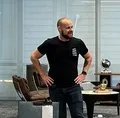
Last week our Head of Agile Services and COO, Aaron McKenna, landed back from Denver after facilitating an OKR Squad kick-off workshop for a leadership team and their cross-functional squads. Around 50 people joined in person, from the President and senior leadership to squad members and OKR champions. The aim was simple and ambitious. Get every squad hands-on with the organisation’s embedded squad approach, refine sub key results for Q3 2025, and leave with the operating rhythm needed to hit the ground running in 2026.
If you are planning your 2026 OKRs and still debating formats, cadence, or roles, this is one to steal. It blends the best of Big Room Planning and PI Planning with practical OKR execution. It gets real work done in the room, not another slideshow.
What you’ll learn:
- The workshop format that works – A proven agenda that gets squads from strategy to sub-KRs without the usual theatre
- Systems thinking for OKRs – How a simple icebreaker revealed the hidden assumptions that trip up strategy execution
- Real execution patterns – What great OKR implementation looked like in the room, from value-based key results to dependency mapping
- Sustainable rhythms – The roles, cadences, and check-in practices that keep OKR momentum alive beyond the workshop
- Why in-person mattered – When face-to-face alignment beats remote for complex organizational change
The Workshop OKR
Objective: Power up our first OKR cycle with confidence, clarity, and cross-squad alignment.
Key Results:
- 100% of squads leave the workshop with a clear, draft set of Sub-KRs aligned to Executive KRs.
- Each squad defines and commits to a regular cadence for OKR check-ins and tracking. Squad roles and ways of working are agreed and owned.
- All squads get real-time feedback from SMT, other Squads and our OKR Coach to sharpen direction.
- 90%+ of squad members report increased confidence in the Squad OKR approach.
Why start with an OKR for the workshop? Because it models the behaviours we want in the business. Clear outcomes. Tight alignment. Evidence of confidence and commitment.
The agenda that gets work done
- Introduction, icebreaker and workshop objectives
- Strategy and OKR reminder
- Squads in practice
- Squad KR refinement and coaching
- Squad KR readouts and feedback
- Wrap up, retrospective, next steps and Q&A
Nothing here is theatre. Each block earns its place by moving squads from concept to commitment.
Learn more about OKR Squads here >>
A systems-thinking icebreaker that actually helps execution
We opened with a quick, hands-on systems exercise. It was playful, but the value came in the debrief where we connected what people produced to how organisations plan and execute OKRs in the real world. No spoilers on the activity itself, but here are the lessons we drew out together.
| Systems | Lessons for OKR |
|---|---|
| Everyone sees systems differently, and that is valuable. Some people began with inputs, others started at the outcome, some mapped every step, others skipped what felt obvious. | We each bring different assumptions about how things work. Collaboration and clarity matter. Make thinking visible, align on what matters most, and write OKRs that a whole squad can understand and own. |
| Mapping reveals hidden steps and assumptions. Many sketches either skipped steps or added unexpected detail. | Invisible work and silent assumptions trip up strategy execution. If we do not make the flow explicit, from Objective to Key Results to Initiatives, teams will fill gaps in their own way. Surfacing the hidden work leads to stronger, realistic sub-KRs. |
| Complexity needs to be simple and visual. Some diagrams were instantly clear and teachable. | Great OKRs and great strategies clarify the why and the what so anyone can follow. Fewer words, sharper measures, and a simple visual can help squads align, act, and deliver. |
| There are multiple ways to solve the same problem. There was no single right approach, just trade-offs | There is no single route to an Objective. OKR execution is about experimentation, learning, and adaptation. Different squads can take different paths as long as we are clear on what done looks like. |
| Feedback makes us better. Work improved once people saw other approaches and perspectives | Regular feedback across squads and from leaders sharpens both strategy and execution. Peer review is not a nice-to-have. It is how alignment, learning, and confidence grow. |
| Clear communication prevents execution gaps. Could someone unfamiliar execute from your sketch. What would they miss. | If Strategy, OKRs, and sub-KRs are fuzzy, people will interpret and execute differently. That is how misalignment and disappointment show up. Simple, consistent communication is the bedrock of effective OKR execution. |
| Systems thinking is essential. Every piece of work sits in a wider system with inputs, steps, outputs, dependencies, bottlenecks, and sequencing | Every sub-KR lives inside that larger system. Think in systems to replace friction and frustration with flow and results. |
This shared language primed squads for the rest of the OKR workshop. They wrote clearer sub-KRs, surfaced dependencies early, and leaned into feedback during readouts. It also reinforced the habits we want to see in the coming cycle as OKR experts supporting their teams. Make work visible, test assumptions, simplify the message, and keep the feedback loops alive.
Why in-person mattered this time
We love remote when it suits the work. For this kick-off, being together mattered. Squads had never operated in this exact embedded model. Senior leaders needed to observe, unblock and build trust quickly. In person, the pace of alignment is different. You hear the nuance in a dependency. You feel when a key result is too vague. You resolve a governance question in five minutes that would take a week over email. The result is cleaner, more confident sub-KRs and a faster start to OKR execution.
From strategy to sub-KRs in one flow
Many organisations stall between strategy and delivery. Big goals on one page, long lists of projects on another, and not enough that connects the two. This format closes that gap.
- Strategy and OKR reminder. We ground squads in the enterprise OKRs and strategic bets for 2025 to 2026, so every conversation is anchored in outcomes, not activities.
- Squads in practice. We make the squad model tangible. Roles, rituals, artefacts, and the difference between OKRs and KPIs. People need to see how work will feel next week.
- Refinement with coaching. Squads write and iterate sub-KRs with a coach at the table. We challenge for clarity, ambition, and measurability, and we separate outputs from outcomes.
- Readouts with real feedback. Squads present to SMT and peers. The feedback is kind and direct. Duplicated bets are merged, weak signals are strengthened, and risks move from whispers to visible items with owners.
- Commitments and cadence. Before anyone leaves the room, we set the heartbeat. Check-ins, dashboards, and who owns what. Momentum loves clarity.
What great OKR execution looked like in the room
- Value-based Key Results. Squads moved away from task lists and wrote measurable outcomes that show movement in customer impact, time to value and cost to serve.
- Visibility of dependencies. Where two squads influenced the same result, we contracted shared metrics and explicit handoffs. No silent assumptions.
- Right-sized ambition. We nudged teams to be brave but believable. Stretch is good. Sandbagging is not.
- Cadence locked in. Every squad left with a fortnightly check-in plan, a monthly cross-squad review and a clear quarterly review and reset.
Roles and rhythms that stick
A successful OKR workshop is the start, not the finish. To embed the practice, we set up:
- Squad drivers and OKR champions. Clear facilitation roles inside each squad so check-ins, tracking and retrospectives happen without drama.
- Check-in discipline. Short, regular sessions focused on movement in key results, confidence levels, impediments and next actions. Not status theatre.
- Monthly cross-squad reviews. A lightweight forum to resolve dependencies, rebalance capacity and avoid local optimisation.
- Quarterly reviews and resets. Honest lookbacks, sharper bets and refreshed sub-KRs that stay aligned to executive OKRs.
This is where most implementations wobble. We keep it simple and human, so the rhythm sustains energy rather than draining it.
How a mid-sized UK firm turns strategy into a show that everyone plays with OKR squads >>
Why this format creates FOMO
Leaders told us they were tired of OKR workshops that produce tidy documents and little change. This one is different.
- You do not leave with aspirations. You leave with working sub-KRs that fit your business.
- Your people feel heard. Bottom-up intelligence shapes the plan in full view of the SMT.
- You can see progress next week. The cadence, roles and boards are ready to go.
- You reduce portfolio waste. When squads align on outcomes, you stop funding duplicate work.
- You build confidence. People know how to win and how you will measure it.
If your 2026 OKRs are still a deck, you will be out-paced by organisations who are practising OKR execution now. Momentum compounds. So does drift.
Who this is for
- CEOs, COOs and Presidents who want strategy to show up in the numbers, not just the narrative.
- Transformation and Strategy leaders who need alignment across functions without adding bureaucracy.
- Product, Operations and Technology leaders who want clear outcomes and fewer priority thrashes.
- People leaders who care about engagement and clarity over targets tied to compensation.
What happens next for the client
Following Denver, we move into the first full cycle of execution. Squads begin their fortnightly check-ins and capture confidence, blockers and movement in key results. Monthly cross-squad reviews focus on dependencies and resource balance. Leadership receives a concise, outcome-centred view of progress. At quarter end, we will run a review and reset to sharpen bets for 2026.
Our role as OKR experts is to keep the system honest, practical and human. We coach the coaches, protect the cadence, and help leaders use OKRs as a decision tool, not a reporting burden.
Thinking about your own 2026 OKRs?
If you want your 2026 plan to land, consider an OKR workshop that gets your squads writing sub-KRs, contracting dependencies and agreeing the operating rhythm, all in one room. We can help you design and facilitate a session tailored to your strategy, your culture and your portfolio. You get tangible outputs in a single day and a rhythm that sustains execution all quarter.
Ready to move from slideware to measurable outcomes? Let’s talk about your OKR kick-off and 2026 OKR execution.